SEBI PIT Regulations: What the 2025 Changes Mean for Schedule B and Listed Companies
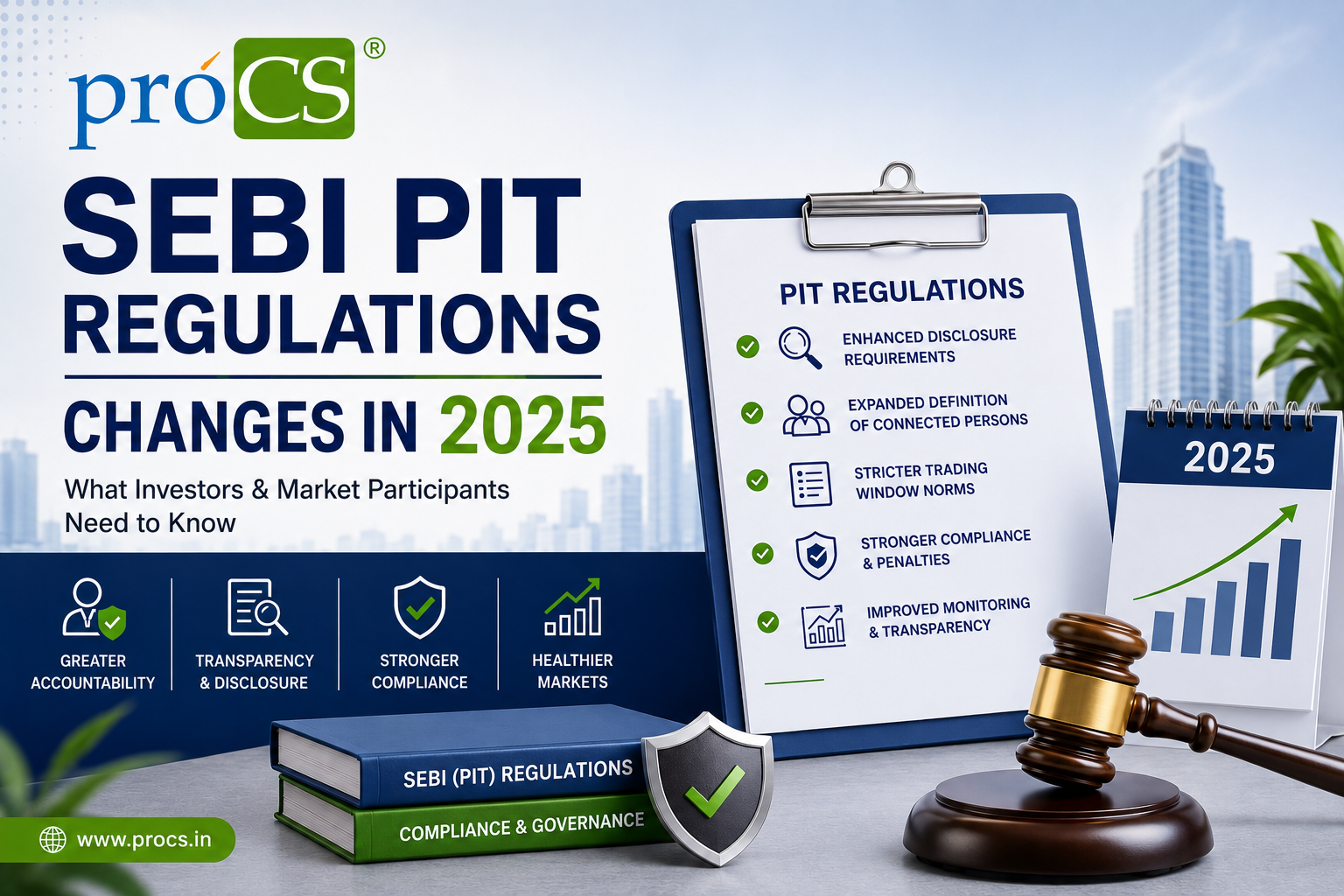

SEBI PIT Regulations: What the 2025 Changes Mean for Schedule B and Listed Companies
The SEBI (Prohibition of Insider Trading) Regulations have always required listed companies to maintain a robust Code of Conduct under Schedule B. In 2025, SEBI introduced important amendments aimed at strengthening the identification, handling, and documentation of Unpublished Price Sensitive Information (UPSI). For many companies, the amendments are not just a legal update—they require a practical review of internal processes, digital controls, and governance mechanisms.
Why SEBI Introduced These Changes
SEBI observed that insider trading risks were increasingly arising through operational interactions, digital communications, consultants, vendors, and business partners. The amendments seek to improve traceability of UPSI, strengthen accountability of insiders, and ensure that companies maintain stronger records of information sharing.
Key Changes Affecting Schedule B
The most significant changes impacting the Code of Conduct under Schedule B include:
1. Wider recognition of UPSI categories
Companies must review whether additional business events, operational developments, and strategic matters could constitute UPSI even if they were not explicitly covered in earlier internal policies.
2. Stronger documentation requirements
The emphasis on maintaining a Structured Digital Database (SDD) has become more significant. Every sharing of UPSI should be capable of being traced, including the identity of the person sharing the information, the recipient, the purpose of sharing, and the timing of the communication.
3. Need-to-know principle receives greater practical importance
Schedule B already required UPSI to be shared strictly on a need-to-know basis. The 2025 amendments reinforce that companies should be able to demonstrate why a particular person received access to UPSI.
4. Review of designated persons framework
Many organizations may need to reassess whether their list of designated persons adequately covers employees, functional heads, project teams, consultants, and other individuals who routinely come into contact with UPSI.
What Companies Should Do Immediately
A practical implementation approach would include the following steps:
• Review the existing Insider Trading Code and Schedule B provisions.
• Map all possible sources of UPSI across departments.
• Revalidate the list of designated persons.
• Strengthen Structured Digital Database controls.
• Document the business purpose for every UPSI sharing instance.
• Conduct fresh training sessions for employees and senior management.
• Review vendor and consultant confidentiality arrangements.
Common Gaps Seen in Many Organizations
During compliance reviews, some recurring issues often emerge:
• Outdated definitions of UPSI in internal policies.
• Incomplete or manually maintained digital databases.
• Informal sharing of sensitive information through messaging platforms.
• Project teams receiving UPSI without formal approval trails.
• Lack of periodic review of designated persons.
• Insufficient documentation of legitimate purpose.
A Useful Governance Perspective
One important shift in the 2025 amendments is that SEBI is increasingly focusing on evidence of compliance rather than mere existence of policies. A company may have a well-drafted Insider Trading Code, but if it cannot demonstrate who accessed UPSI, why it was shared, and whether appropriate controls were followed, the compliance framework may still be considered inadequate.
The New Expectation from Compliance Officers
The role of the Compliance Officer is gradually moving from policy administration to information governance. This includes coordinating with business teams, HR, IT, legal, and finance functions to ensure that UPSI controls are embedded into day-to-day operations rather than treated as a periodic secretarial exercise.
Final Thoughts
The 2025 amendments to the SEBI PIT Regulations should be viewed as an opportunity to modernize insider trading compliance. Companies that proactively update their Schedule B Code of Conduct, strengthen digital record-keeping, and create a culture of disciplined information handling will be better positioned not only for regulatory compliance but also for stronger corporate governance.
The question is no longer whether a company has an insider trading policy. The real question is whether the company can demonstrate, with evidence, that its policy works in practice